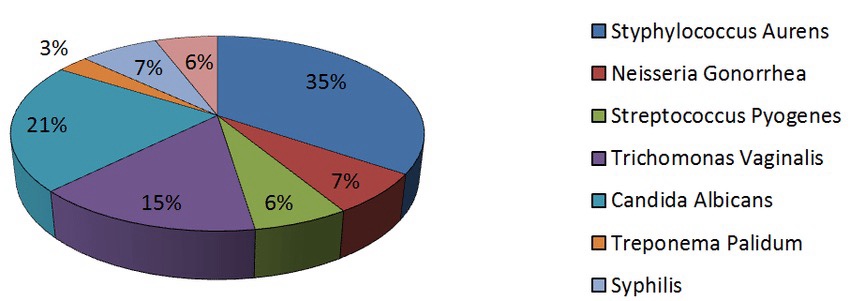
The purpose of this study was an assessment of the rate of sexually transmitted diseases in Kubwa F.C.T Abuja. A total of two hundred and eight-six patient aged between 9-50 years were examined in the study, out of whom two hundred and six case note could be traced for review, attending the Kubwa General Hospital, Medilan Medical Laboratory Kubwa,.
… all the age group range, the group that is sexually active was found in the age range of between 20-39. The percentage of positive cases in various samples are shown in figure 9 below as follows; Stypylococcus Aurers; 35%, Neisseria Gonorrhea 7%; Streptococcus Pyogenes 6%; Trichomonas Vaginalis 15%; Candida Albicans 21%; Treponema Palidum 3%; Syphilis 7% and HIV 6%. The findings from the sources of the data in the five hospital/laboratory records are as follows: 0 -9 0 0 10 -19 0 0 20 -29 3 50 30 -39 3 50 40 -49 0 0 The pie chart above shows the percentage distribution of sexually transmitted diseases at the Ramdomly selected hospital in Kubwa from 2022-2023 by rank.

Background Sexually transmitted infections (STIs) during pregnancy are associated with adverse birth outcomes, including preterm birth, low birth weight, perinatal death, and congenital infections such as increased mother-to-child HIV transmission. Prevalence of STIs among pregnant women in South Africa remains high, with most women being asymptomatic.
Coinfection rates of HIV and sexually transmitted infections (STIs) are not widely reported in Zimbabwe and no local guidelines regarding the screening of STIs in people living with HIV exist. Objectives: This cross-sectional study was conducted to determine the prevalence and associated risk factors for STI coinfection in a cohort of.
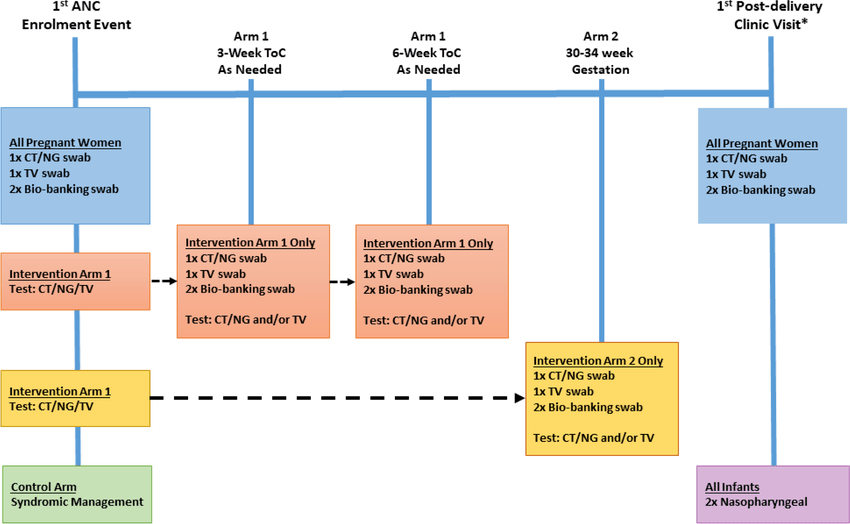
We evaluated same-day STI treatment at the baseline visit in our ongoing implementation-effectiveness trial of STI diagnostic strategies in pregnancy in the Buffalo City Metropolitan Municipality in South Africa [2]. At 4 PHC clinics, we enrolled pregnant women attending their first antenatal care visit at <27 weeks of gestation
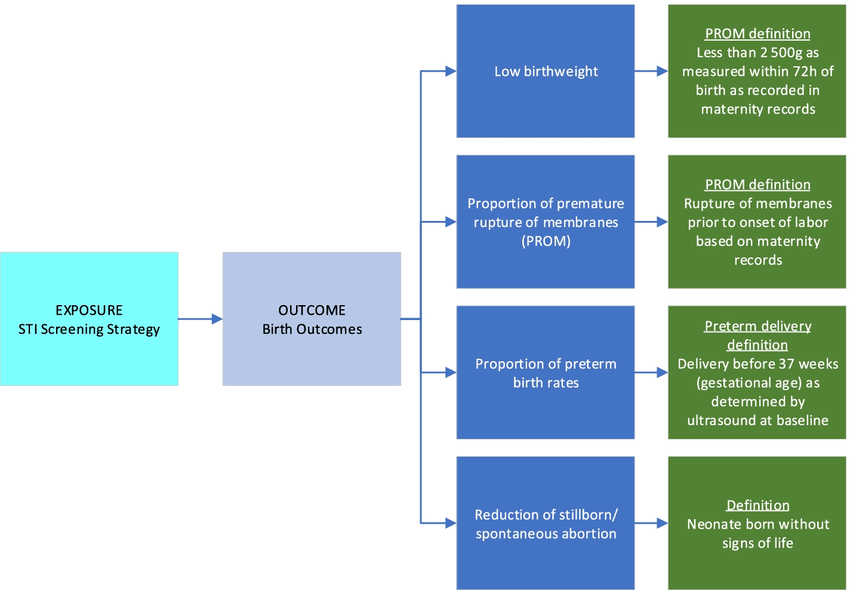
To demonstrate the influence of VDS definition on VDS frequency reported, we analyzed crosssectional data from our ongoing hybrid-effectiveness trial of the impact of diagnostic strategies for sexually transmitted infections (STIs) on adverse birth outcomes among pregnant women in Eastern Cape, South Africa. 13 We evaluated VDS frequency based on different combinations of symptoms reported in 1627 women recruited at their first antenatal care visit (< 27 weeks gestation) from March 2021 to January 2023. As Figure 1A conveys, VDS frequency increases with each symptom added to the definition.
 Shewears.ng